
Picture this. You land a dream freelance gig that pays big. Then, the client vanishes. No warning. Your bank account stares back empty. Freelancers face this feast-or-famine cycle all the time. Income swings wild because gigs come and go. A recent Bankrate survey shows only 47% of Americans can cover a $1,000 emergency from savings or cash on hand. Freelancers fare worse. No steady paycheck means you need more buffer.
Income volatility hits hard. Earnings vary by city and skill. Full-time freelancers average around $85,000 yearly, but dry spells wipe that out fast. Experts recommend 6-12 months of expenses for your emergency fund. Steady workers get by with 3-6 months. You need extra because clients delay payments or projects dry up.
This guide walks you through it step by step. First, calculate your target. Next, pick safe accounts. Then, save from bumpy paychecks. Finally, dodge common traps. You can build real security, even with irregular cash flow. Let’s start with your number.
Calculate How Much Cushion Your Freelance Life Really Needs
Freelance life demands a bigger safety net. Steady jobs offer 3-6 months of expenses. You aim for 6-12 months. Why? Gigs gap. Clients ghost. No unemployment check waits.
List your essentials first. Housing tops the list. Add food, utilities, minimum debt payments, insurance, and taxes. Skip wants like dining out. Average single-person monthly costs hit $4,900 to $6,500 in 2026. Adjust for your area.
Take a simple example. Your must-pays total $3,500 monthly. Multiply by 8 months. That gives $28,000 target. Start small. Hit $1,000 first. Then build.

Track for accuracy. Log every dollar over one or two months. Use a free app or spreadsheet.
Here’s a quick checklist:
- Rent or mortgage payment.
- Groceries and basic meals.
- Electricity, water, internet.
- Health insurance premium.
- Minimum credit card or loan payments.
- Quarterly tax estimates.
- Gas or transit pass.
Real numbers guide you. One freelancer found housing ate 35% of budget. Food ran 15%. Utilities 10%. That tweak set a firm goal.
Track Your True Must-Pay Bills First
Essentials keep life running. Wants add fun but drain cash. Cut streaming services now. Skip restaurant meals.
Grab your bank app. Or download a spreadsheet. Log spending for 30 days. Categorize ruthlessly.
Example breakdown for $5,000 monthly:
- Housing: $2,000
- Food: $600
- Utilities: $300
- Transport: $400
- Insurance: $400
- Debt minimums: $500
- Taxes: $500
- Misc basics: $300
Total hits essentials only. No coffee runs. This method reveals leaks. Adjust your target. Multiply by 6-12. You see the path clear.
Adjust for Your Gig Schedule Risks
Your work rhythm sets the range. Full-time contracts? Lean toward 6 months. Sporadic gigs? Push to 12.
Assess risks. Do clients pay late often? Add buffer. Live in a high-cost city? Expenses climb. Income gaps average weeks or months for many freelancers.
For instance, if gigs cluster in quarters, save for the off-season. Test your setup. Review past 12 months’ income. Spot the slowest stretch. Cover that twice over. This tailors your fund perfect.
Pick the Best Accounts to Grow Your Safety Net Safely
Your fund needs growth and access. Skip stocks. They swing too much. Checking accounts pay nothing. Go for FDIC-insured options.
High-yield savings lead. They offer liquidity plus interest. Top rates hit 5.00% APY in April 2026. National average lags at 0.39%. Money market accounts work similar. CDs lock rates but limit pulls.
Compare key picks in this table:
| Account Type | Pros | Cons | Best APY (April 2026) |
|---|---|---|---|
| High-Yield Savings | Full access, no fees, auto-transfers | Rates can drop | Up to 5.00% |
| Money Market | Check-writing, debit card | Higher minimums sometimes | 4.00-4.50% |
| CDs (Laddered) | Fixed rates, higher yields | Penalties for early pull | 4.20-4.50% |
Check current top rates at Investopedia’s high-yield savings guide. Separate this from daily cash. Compound interest fights inflation.
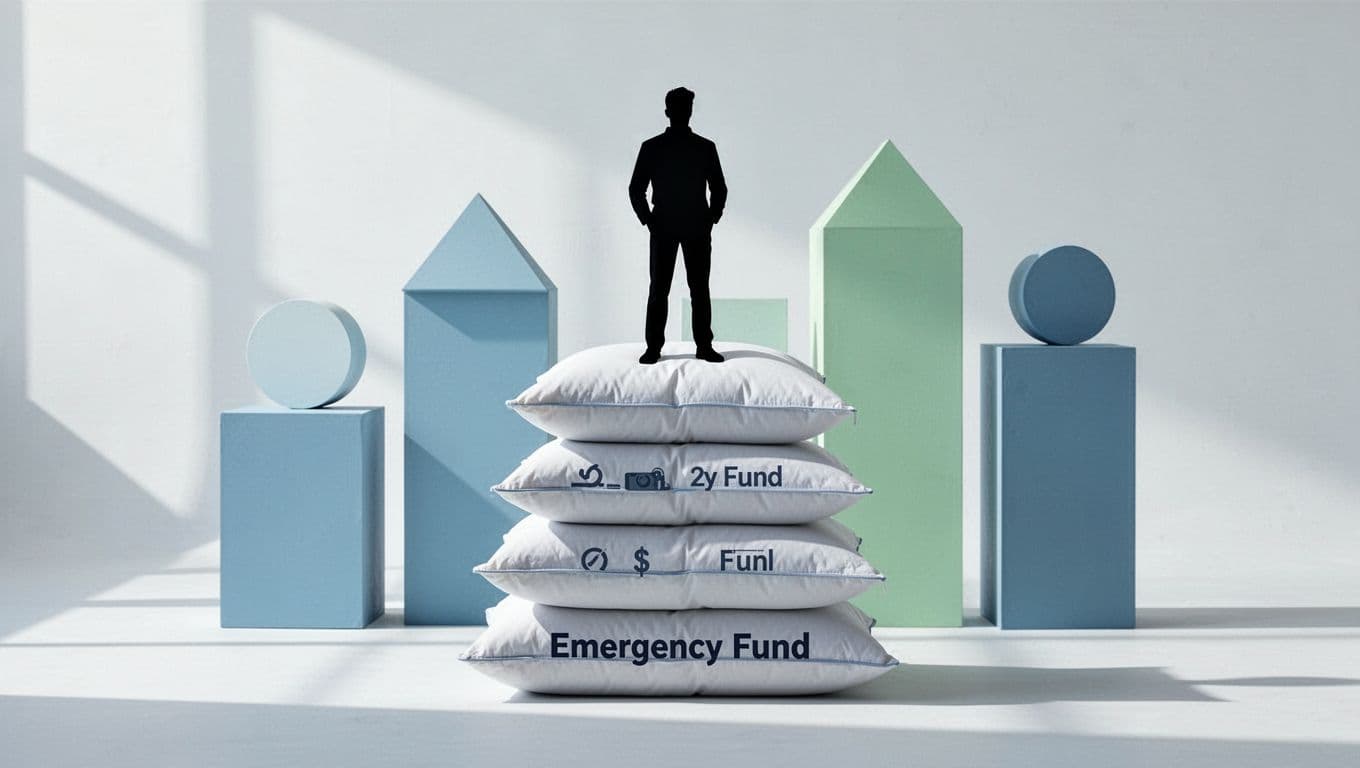
Online banks shine. No branches mean better rates. Credit unions match them.
High-Yield Savings: Your Go-To Starter
Liquidity rules here. Pull funds anytime. No penalties. Rates beat traditional banks by 10 times.
Automate deposits easy. Many have zero minimums. Varo hits 5.00%. Axos offers 4.21%. Park cash safe. Watch it grow.
CDs and Laddering for Extra Growth
Lock portions long-term. Buy CDs in staggered terms: 3-month, 6-month, 1-year. One matures soon. Renew or access.
This balances yield and need. Rates hold steady. Ideal for fund’s back half. Start after $1,000 in savings.
Turn Irregular Paychecks into Steady Savings Wins
Bumpy income demands smart moves. Adapt the 50/30/20 rule. Assign 50% to needs. 30% to wants. Save 20% or pay debt.
Treat every payment like steady. Save windfalls first. Big gig? Stash half. Set goals on surplus. $400 extra? Save $300.
Use separate accounts. One for emergencies. Others for taxes or gear. This stops dips. Prioritize alongside high-interest debt.
See strategies from this freelancer emergency fund guide.

Cut easy. Drop subscriptions. Cook more. Aim consistent.
Automate to Outsmart Temptation
Set transfers right after pay hits. Use bank apps. Split direct deposits: 20% to savings.
Steps:
- Log into your bank.
- Find auto-transfer tool.
- Pick payment date trigger.
- Send to high-yield account.
No thinking needed. Builds habit fast.
Hunt for Extra Cash in Your Freelance Flow
Grab one-off gigs. Direct tax refunds there. Trim bills yearly.
Try budgeting apps. Origin’s 2026 reviews list top picks for freelancers. They forecast irregular cash.
Steer Clear of Traps That Wipe Out Freelancer Funds
Mixing funds kills progress. Keep emergency cash apart. Label it “untouchable.”
Ignore taxes? Set aside 25-30% per gig. Lifestyle creep sneaks in fat months. Spend same as lean times.
Skip automation. Temptation wins. Dodge with rules: Review quarterly. Test access only for true crises like medical bills.
Quick fixes:
- Annual audit of balance.
- Rename account “Car Repair Only” temporarily.
- Tell a friend your goal.
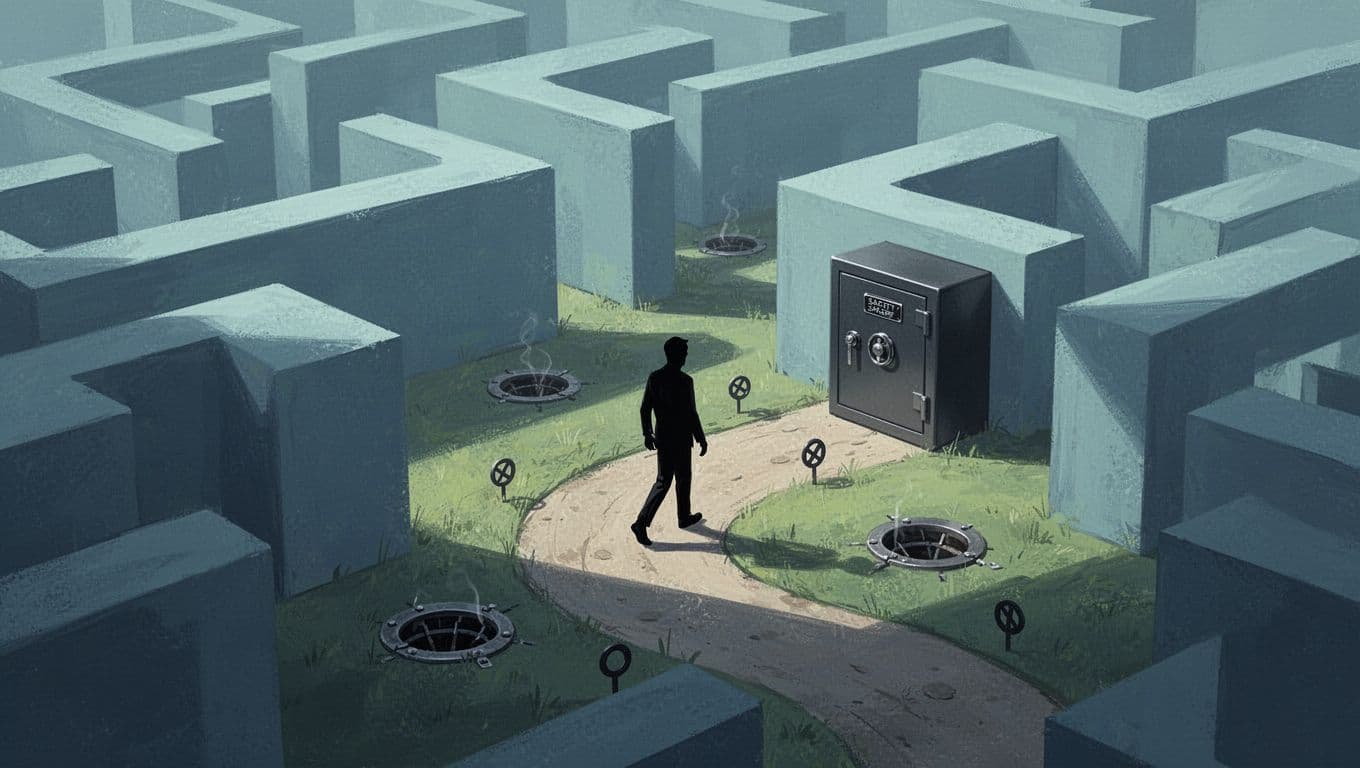
That lost client story? It fades with your fund in place.
Your emergency fund brings peace. Calculate needs today. Pick a high-yield account. Automate saves. Skip traps. Start small. Hit $1,000 quick. Then scale to 6 months.
Track expenses this week. Open that account now. Share your first milestone in comments. How long till your cushion?
FAQ: What if I can’t save 20%? Base it on surplus. Save 10% first. Pause wants. Build slow but sure.