
Picture Sarah, a graphic designer who freelanced full-time last year. She earned $60,000 from clients via Upwork and PayPal. At tax time, the IRS slapped her with a $9,000 bill plus $1,200 in penalties. Why? She skipped quarterly payments and mixed business cash with personal spending.
Gig workers like freelancers face this often. The IRS notes self-employed folks commonly miss estimated payments, leading to underpayment penalties around 7-8% yearly. As an online worker, you’re self-employed. You pay self-employment taxes at 15.3% on net earnings over $400. That covers Social Security (12.4%) and Medicare (2.9%). Income tax adds more.
In 2026, rules stay strict. Platforms report data to the IRS, so hiding income risks audits. Self-employed audit rates top 1% for high earners, far above the 0.4% average. This guide covers key pitfalls like fund mixing, skipped quarters, unreported cash, missed deductions, and weak records. Follow these steps. You’ll keep more money and sleep better.
Separate Your Business and Personal Money from Day One
Mixing business and personal funds, or commingling, invites trouble. The IRS flags messy accounts during audits. You lose track of deductions too. Set up a free business checking account and credit card now. Banks like Chase or Novo offer no-fee options for freelancers.
Track every dime in real time. Use apps or spreadsheets. Categorize spends right away: office supplies, software, ads. Never charge personal groceries to the business card. This habit proves business use. It skips year-end chaos.
Steps stay simple. First, open the account online in 10 minutes. Link it to payment apps like Stripe. Deposit client payments there only. Pay expenses from it too.

Log Every Receipt and Invoice Instantly
Snap photos with your phone. Apps like Expensify or Shoeboxed scan and store them. Review weekly: income in, expenses out. A forgotten $50 Adobe subscription? It adds up to $600 yearly.
Don’t wait for tax season. Receipts fade or get lost. Digital logs match bank statements fast. For example, tag that coffee meeting as “client networking.” The IRS accepts photos as proof.
Why a Dedicated Business Account Stops IRS Headaches
Separate accounts simplify Schedule C filing. Bank statements show clear business activity. Auditors love this. No digging through personal mess.
One freelancer saved hours at tax time. Her statements totaled expenses perfectly. You can too. Start today. It builds audit-proof habits.
Nail Your Quarterly Estimated Tax Payments to Dodge Penalties
Self-employed workers pay taxes four times a year. Miss them, and penalties hit hard: 0.5% monthly on underpayments, up to 25% plus interest. For 2026, due dates are April 15, June 16 (since June 15 is Sunday), September 15, and January 15, 2027.
You pay if you owe $1,000 or more. Calculate with Form 1040-ES. Base it on year-to-date income. Set aside 25-30% per check. Use IRS Direct Pay or EFTPS for free.
A $50,000 earner might owe $12,500 total taxes. Divide by four: about $3,125 each quarter. Adjust if gigs slow down. This avoids a huge April shock.
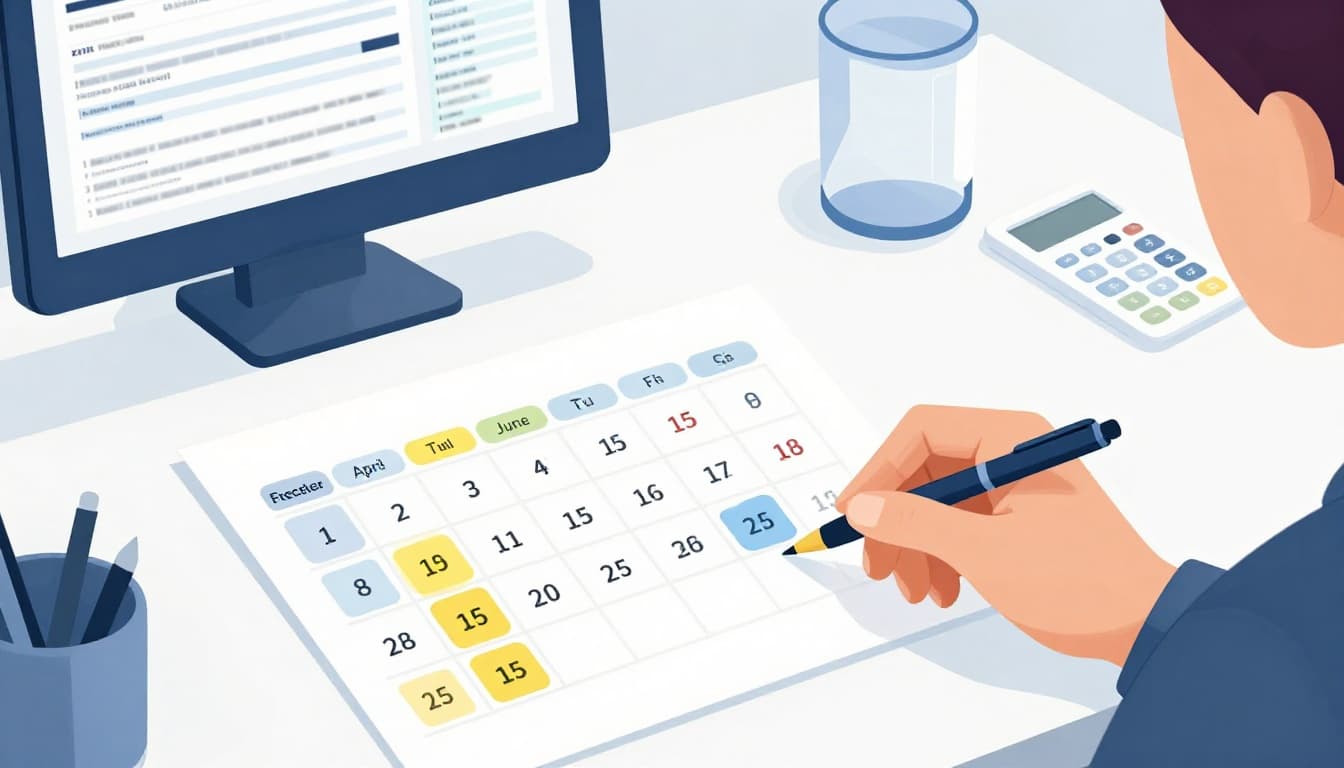
Calculate and Pay Exactly What You Owe Each Quarter
Estimate annual income first. Subtract deductions. Apply 15.3% self-employment tax, then your income tax rate (say 22%). Tools like the IRS withholding estimator help.
Pay 90% of this year’s tax or 100% of last year’s to dodge fines. For example, $10,000 quarterly income minus $2,000 expenses leaves $8,000 net. Tax: about $2,000. Send it on time.
What Happens If You Skip or Underpay
Underpay $5,000? Expect $250 plus in fees. States add their own penalties. Late filing costs 5% monthly too.
One rideshare driver paid $750 extra for three late months. Pay quarterly. It smooths cash flow.
Report All Income Right, Even Without a 1099 Form
Report every dollar over $400 on Schedule C of Form 1040. Clients send 1099-NEC only if they pay you $2,000 or more in 2026. No form? Still taxable. IRS gets data from PayPal, Venmo too.
File by April 15, 2027, or extend to October. Match your records to client 1099s. Hiding cash counts as evasion. Penalties reach 75% for fraud.
Log all: app payouts, Zelle, checks. Total them accurately. Apps report high volumes anyway.
Decode 1099-NEC and 1099-MISC Forms
1099-NEC covers non-employee pay like freelance gigs. 1099-MISC handles rents or royalties. Enter NEC on Schedule C line 1. MISC goes to other lines.
Check boxes match your books. Errors trigger notices.
Track Side Hustle Cash and App Payments Too
Venmo business tags report to IRS. Log personal ones separately. Add to Schedule C total.
A writer tracked $1,200 Etsy cash. It matched her return perfectly. You avoid mismatches this way.
Claim Deductions That Legally Lower Your Tax Bill
Deductions cut taxable income. Top ones include home office, mileage at 72.5 cents per mile, supplies, prorated internet, and self-employed health premiums. Depreciate big buys over time.
Keep proof: photos, bills. Itemize if over standard deduction.
| Deduction | Proof Needed | Example Savings |
|---|---|---|
| Home Office | Square footage photos, bills | 10% of $24k rent = $2.4k |
| Mileage | App logs | 10k miles = $7,250 |
| Supplies/Software | Receipts | $1,200 office gear |
| Health Premiums | Statements | Full $8k premium |
This table shows quick wins. Always tie to business use.

Set Up a Qualifying Home Office Deduction
Use space regularly and exclusively for work. Measure percentage: 100 sq ft office in 1,000 sq ft home = 10%. Deduct 10% of rent, utilities.
Simplified method: $5 per sq ft, max 300 sq ft. Regular gives more if bills high. Pick yearly.
Mileage, Supplies, and Health Costs You Can Subtract
Log business drives only; no commute. Apps auto-track. Prorate phone at 50% business use.
Deduct full health premiums as self-employed. One designer saved $5,000 combining these.
Build Rock-Solid Records That Beat Any IRS Audit
IRS audits go back 3-6 years. Self-employed online workers face higher scrutiny from platform data. Go digital: scan receipts, log mileage weekly with MileIQ.
Use cloud like Google Drive. Reconcile monthly. Tax software like TurboTax imports banks.
Pro tip: Weekly habits beat cramming. Hire a CPA for complexity.
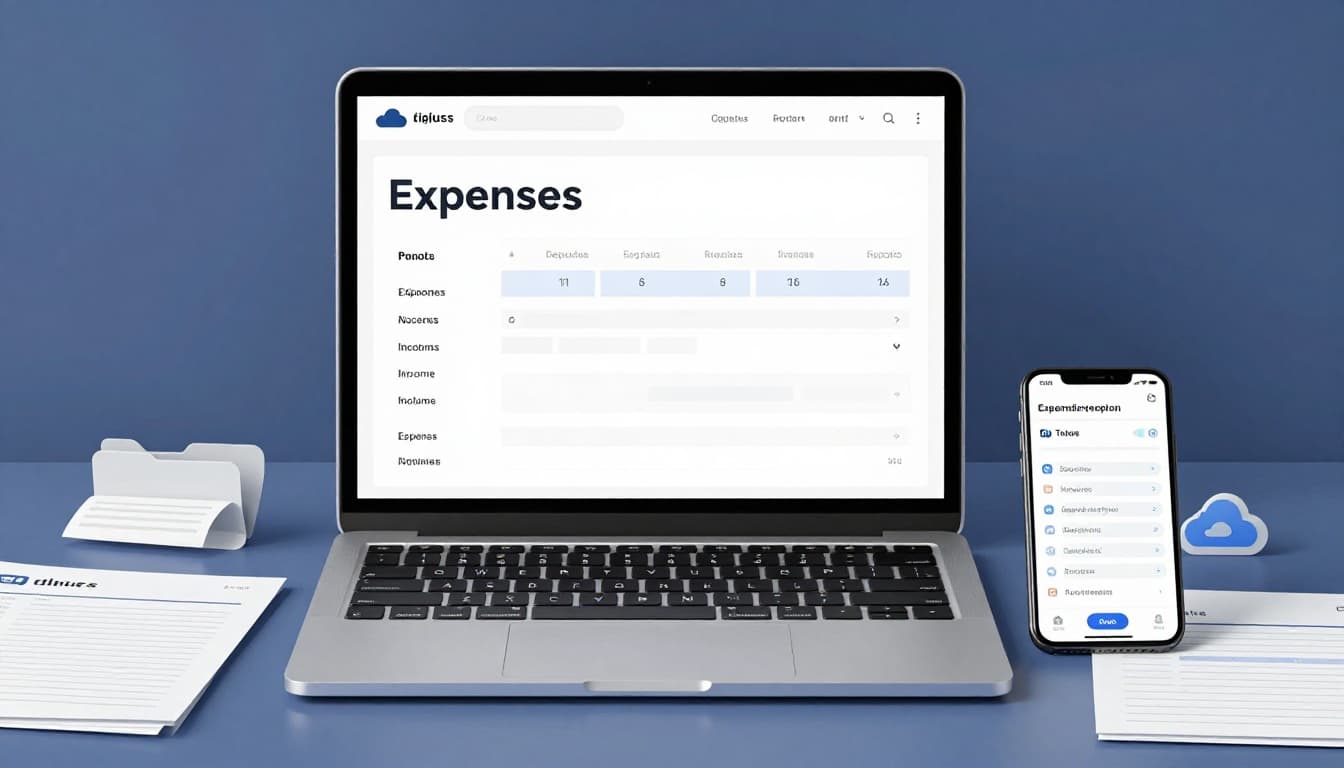
Digitize Receipts and Track Mileage Weekly
Apps scan and categorize. MileIQ runs in background. Sunday routine: 15 minutes review.
Monthly Checkups Keep You Audit-Ready
Tally totals. Spot oddities early. A clean set passed one audit without stress.
Separate accounts, quarterly payments, full income reports, smart deductions, and tight records fix most mistakes. Like Sarah could have. Start small: open that business account this week.
Consult a tax pro or use IRS Free File if under limits. What one change will you make first? Smart habits let you thrive as an online worker in 2026 and beyond.