
One month your freelance gigs pour in cash. The next, clients ghost and bills stack up. You know the drill if you’re in the gig economy.
In 2026, 45% of Americans do gig work, and 36% rely on it as their main income. Plus, 44% face pay that shifts every month. That feast-or-famine cycle stresses anyone out. But you can take charge with simple steps. No fancy math needed.
These strategies fit variable pay from rideshares, deliveries, or online hustles. They include tracking habits, flexible budgeting, automation, waste cuts, impulse rules, and check-ins. Start small today. You’ll gain peace of mind fast.
Track Your Spending to Spot Real Patterns
Tracking shows your real money flow. It beats guessing, especially when pay jumps around. You spot leaks quick without big changes.
Start with bank statements, credit card logs, and cash in your wallet. Review one week first. Look for repeats like daily coffee or forgotten subs.
A spending diary works wonders too. Jot amount, time, and mood for each buy. Triggers pop out, like stress snacks after slow gigs.
Free tools help. Grab a spreadsheet or app. For options, check CNBC’s list of top free budgeting tools. They link to your accounts easy.
This builds awareness fast. For example, one freelancer found $150 monthly on unused gym fees. Awareness sets up all other steps.

Use Statements and a Diary for Quick Insights
Pull your last month’s statements online. Print if you like paper. Scan for surprises.
Log every spend in a phone note or notebook. Example: “$5 coffee, 2pm, bored after no gigs.” Do it daily. Takes two minutes.
Gig workers often binge on high-pay weeks. Then starve cash on low ones. Statements reveal that pattern clear. Diary adds why.
After a week, tally categories. Groceries spike? Dining out? Adjust from facts.
Adapt the 50/30/20 Rule for Fluctuating Paychecks
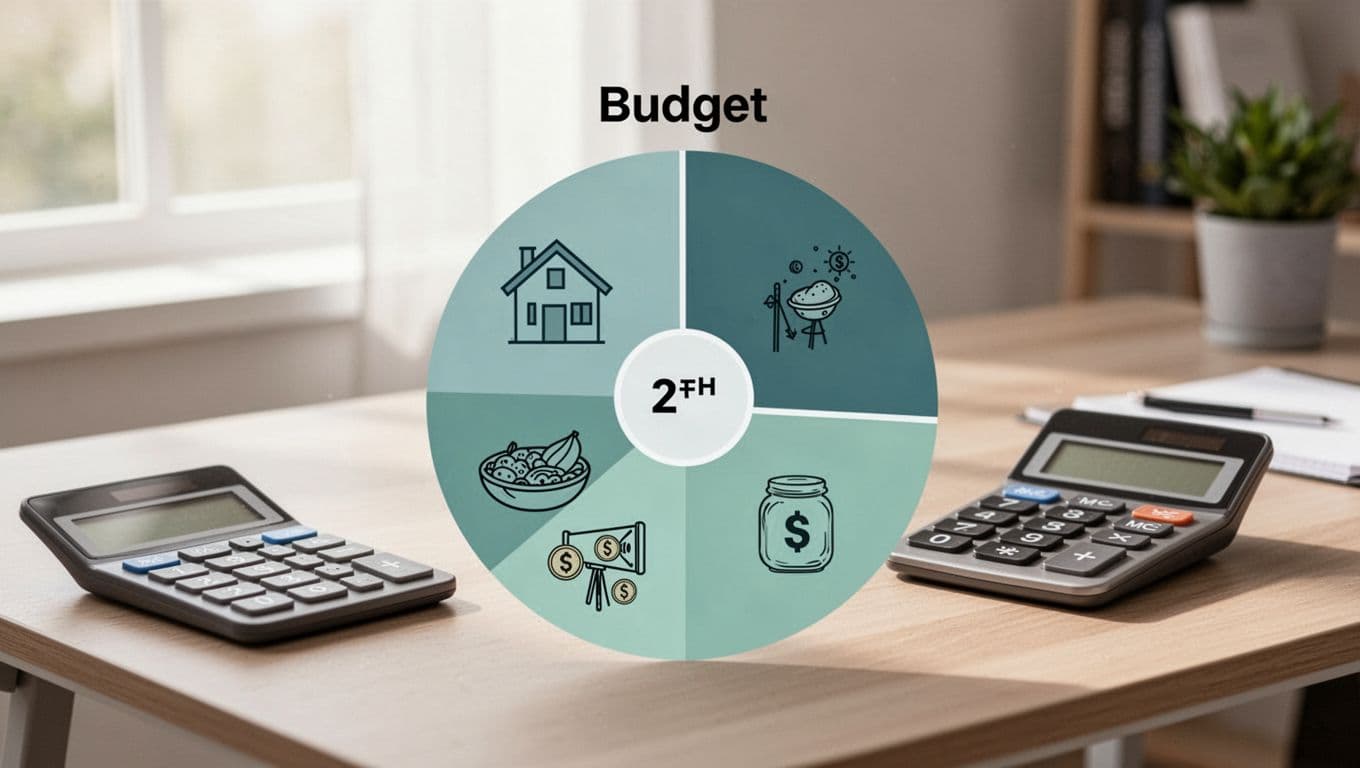
The 50/30/20 rule flexes perfect for ups and downs. Put 50% on needs like rent and food. 30% goes to wants such as movies. 20% hits savings or debt.
Base it on your average take-home over three months. Say you net $4,000 average. Needs max $2,000. Wants $1,200. Savings $800.
Categorize first. Track in a sheet or app. Adjust if needs top 50%. Cut wants then.
Here’s a quick breakdown:
| Category | Percentage | Examples |
|---|---|---|
| Needs | 50% | Rent, utilities, groceries, gas |
| Wants | 30% | Dining, hobbies, subs |
| Savings/Debt | 20% | Emergency fund, loans |
This keeps you honest. Freelancers love it because it bends with paychecks.
For more on this for gig workers, see this guide on budgeting variable income.
Steps to Make It Work When Income Varies
Average your last three months’ pay. Assign percentages right away.
Track weekly. Tweak monthly if a big gig hits. Or slow month comes.
Don’t go rigid. This rule adapts. One rideshare driver saved $500 extra in good months. Data from 2026 shows many gig folks build buffers this way.
Automate Savings and Bills to Remove Temptation
Automation skips willpower fights. Set it once. Money moves itself.
On payday, auto-transfer to savings. Split direct deposit if possible. One chunk checking, rest high-yield savings.
Pay bills auto too. Avoid late fees that hurt. Build a separate emergency fund.
Rates shine now. Top high-yield accounts hit 5.00% APY in April 2026. Check Fortune’s latest top rates for picks like Varo.
Even low months build your buffer. Say $200 auto each pay. It adds up quiet.
Steps stay simple across banks:
- Log in to your bank app.
- Find transfers or bill pay.
- Schedule on deposit dates.
- Test with small amounts first.
Gig life demands this hands-off win.

Cut Waste and Pause Impulses for Quick Wins
Hunt easy cuts first. Audit subs like Netflix or gym. Bundle or cancel unused ones.
Skip shipping fees. Pick up in store. Go paperless for bank perks.
Pause big buys. Wait 48 hours for over $50. Week for $200 plus. Urges fade.
Try a spending fast. One week on basics only. No extras. Resets habits quick. Common leaks? Streaming bundles save $20 monthly each.
Make it a game. Track freed cash. Fun beats grind.

Hunt Subscriptions and Fees First
List all subs yearly. Note value per one. Cancel two to three low-use.
Switch banks for no-fee perks. One cut saves $15 monthly easy.
Gig workers free $100 plus fast this way.
Master the Wait Rule and Spending Fasts
Set timers by amount. Emotions drive impulse. Wait kills them.
Fast rules: Needs only. Groceries, gas, bills. Log savings daily. Repeat every quarter.
Fasts rebuild control. You win big.
Set Goals and Check In Regularly to Stay Flexible
Goals give direction. Aim specific like “$2,000 saved by December 2026.” Or pay off $500 card debt.
Review often. Weekly peek. Monthly deep check. Quarterly tweak. Annual reset.
Gig shifts demand flex. Budget says where money goes. Not wonders where it went.
Consistency beats perfect. Small check-ins keep you steady.
Make Goals Specific and Realistic
Pick exact amounts and dates. “Car down payment $3,000 in six months.”
Vague fails because no track. Specific motivates.
Tie to life. New gear for gigs? Plan it.
These easy ways fit unstable income. Track patterns, tweak 50/30/20, automate flows, slash waste, pause urges, review often.
In 2026’s gig ups and downs, small steps build real stability. Start tracking today. Share your wins in comments.
You got this. Steady control brings freedom.